Ajman, UAE
What Parents Really Want From a Modern Private School in Ajman
Choosing a school in Ajman is one of the bigger decisions a family makes. Fees, curriculum and location matter, but when you talk to parents, the same handful of expectations come up again and again. Here is what shows up on almost every list.
Five things parents look for first
- An individual approach to each childwith real help when a lesson does not click the first time.
- Kind, qualified and attentive teachers who notice a quiet child as quickly as a loud one.
- Good food and a clean, modern buildingfrom bright classrooms to well-kept toilets.
- Well-equipped labs, a library and a swimming poolplus clubs covering sport, art, coding and languages.
- Safe, green grounds where children can walk, play and breathe fresh air under adult supervision.
Teaching
Teachers who see the child, not just the class
Ask any parent in Ajman what they want most, and the answer usually comes back to the teacher. Not just credentials, though those matter, but the day-to-day behaviour: patience, warmth, and the willingness to slow down when a child says “I don’t understand.”
Parents want teachers who track progress carefully, flag learning gaps early, and offer extra support instead of moving on. That is why families comparing options such as American private schools in Ajman often ask about class sizes, teacher retention and how the school handles a child who is falling behind. A stable, well-trained team says more about a school than any glossy brochure.
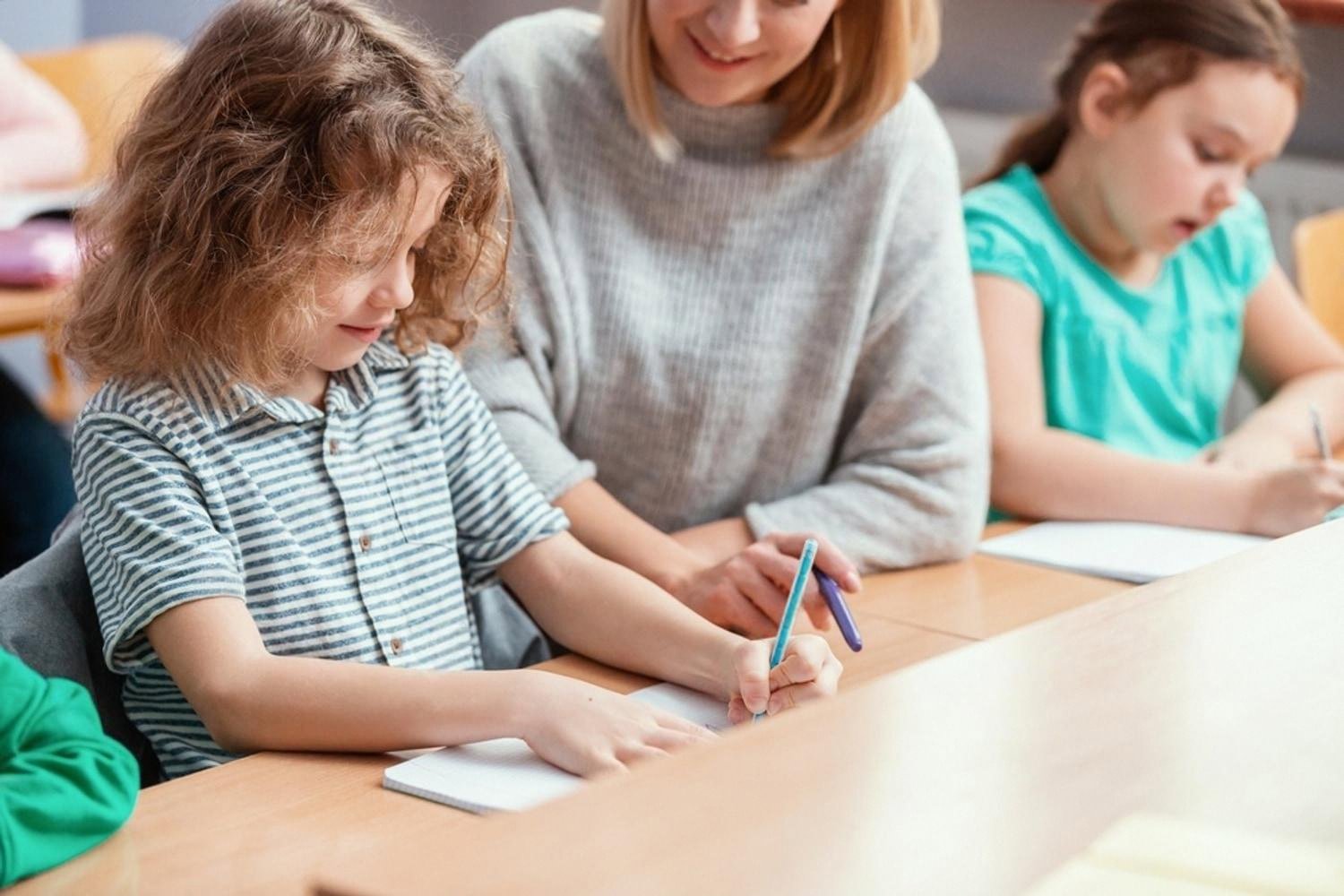
One-to-one support matters
A few minutes of focused attention can turn a struggling week around.
Facilities that support real learning
The buildings themselves carry a lot of weight in a parent’s decision. Families in Ajman expect classrooms that are clean, bright and properly cooled, with modern boards, decent Wi-Fi and enough space for children to move. Science should happen in a real lab, not on a worksheet. Sport should have proper courts and a pool with certified lifeguards.
The best schools treat facilities as part of the curriculum. A well-stocked library encourages reading. A working art room encourages making. A safe swimming pool teaches a skill that every child in the UAE should have. According to Education in the UAE private schools serve the majority of pupils in the Emirates, so competition on facilities has pushed standards up across Ajman, Sharjah and Dubai.
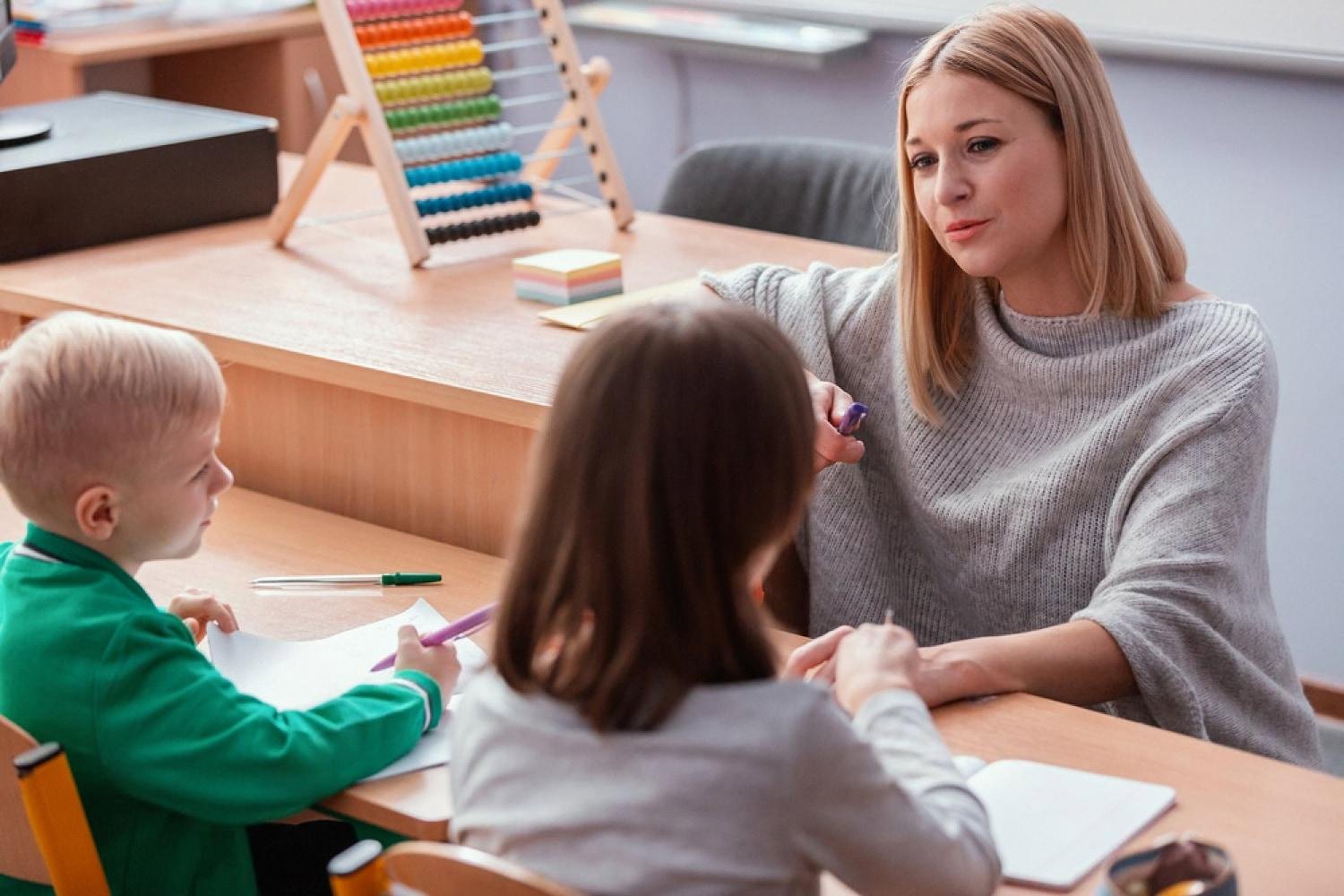
Clubs and creative spaces
A child who finds their thing at school usually finds their confidence too.
After the bell
Clubs, activities and time to just be a kid
A modern private school is not only about lessons. Parents want a wide range of clubs so every child can find something that fits: robotics, football, chess, drama, Arabic calligraphy, coding, music. When choice is real, children stop being labelled as “good at maths” or “not sporty” and start exploring.
Outdoor space is part of the same conversation. Between lessons, children should be able to walk on shaded paths, sit on real grass, or play a quick game before returning to class. Green, well-kept grounds with adult supervision let kids breathe, run around and reset without parents worrying about safety.
A place where the child feels safe and welcome
All the labs and clubs in the world do not help if a child dreads walking through the gate. Parents in Ajman are increasingly vocal about emotional safety: no bullying, no shaming for a wrong answer, no cliques the staff pretends not to see. They want teachers who model respect, and school leaders who take complaints seriously the first time, not the fifth.
Food is part of that picture too. A hot, balanced meal, clean water stations and a canteen that respects halal standards and allergies are not luxuries, they are baseline expectations. So is a nurse on site, a clear pick-up system, and CCTV that is actually monitored. The UAE Ministry of Education publishes national standards that private schools are audited against, and parents are getting better at asking to see the ratings.
A word of caution. Glossy websites and expensive uniforms are not proof of quality. Before signing a contract, visit the school on a normal weekday, ask to see the labs and pool in use, and talk to two or three current parents. If a school resists any of those requests, treat it as an answer.
Notes from parent-led school tours in Ajman
Frequently asked questions
What is the average cost of a private school in Ajman?
Fees in Ajman vary widely by curriculum and grade level. British and American schools tend to sit at the higher end, while Indian and Pakistani curriculum schools are usually more affordable. It is best to request the current fee structure directly from each school, since prices change every academic year and often include registration, transport and activity charges as separate lines.
Which curriculum should I choose for my child in Ajman?
The right curriculum depends on your child’s future plans. If you may relocate or want easy transfer between countries, British (IGCSE / A-Level) or American curriculum schools are common choices. Families planning university in India or Pakistan often prefer CBSE or the Federal Board. If you plan to stay in the UAE long-term, both the Ministry of Education curriculum and international programmes are widely accepted at local universities.
How can I tell if a private school in Ajman is actually good?
Look beyond marketing. Check the school’s official inspection rating, visit during a school day, and ask about teacher turnover, class sizes and how the school supports children who struggle. Talking to current parents at the gate is often more useful than any brochure.
Also inspect the everyday details: the toilets, the canteen, the library. Those quiet corners tell you more about a school’s standards than the reception area.
What extracurricular activities should a modern school in Ajman offer?
A strong programme covers sport (football, swimming, basketball), creative arts (music, drama, visual arts), STEM clubs (robotics, coding, science) and cultural activities such as Arabic calligraphy or public speaking. The goal is variety, so every child can find at least one activity that suits their personality and interests.
How important are school facilities like a pool and science labs?
Very important, and not only for prestige. A real science lab means children actually run experiments instead of watching videos. A pool means swimming becomes a life skill, which matters in a coastal country like the UAE. Modern classrooms, a proper library and safe outdoor space all shape how much a child enjoys school and how well they learn.
How do I know my child will be safe and happy at school?
Ask concrete questions: how does the school prevent and handle bullying, who supervises break times, what is the pick-up and drop-off procedure, and how are parents notified of incidents? A school that answers clearly and in writing usually takes safeguarding seriously.
After enrolment, watch your child’s mood on school mornings. A child who talks about friends and lessons at dinner is telling you the school works. A child who goes quiet or dreads Monday is telling you something important too.
Hockey fan, mother of 2, band member, Mad Men fan and multidisciplinary designer. Working at the junction of simplicity and mathematics to create not just a logo, but a feeling. Nothing ventured, nothing gained.